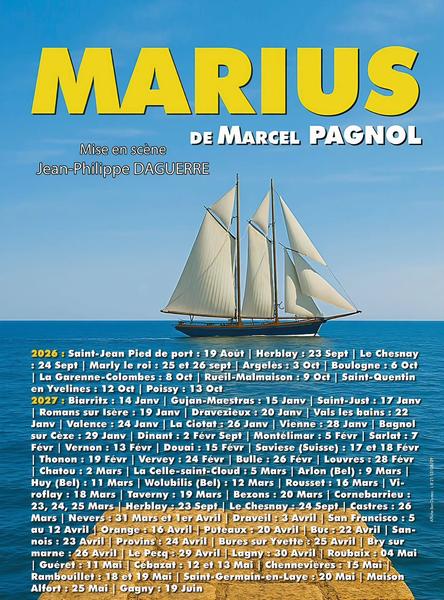
Opening times
Sunday 7 February 2027 at 3.30 pm.
Practical information
Accessibility
- Reserved space 330 cm wide < 100 m from the site
- WC + grab handle + adequate space to move
- Porte larges rez-de-chaussée accessible, WC adapté avec barre d'appui et espace de circulation 2 fauteuils roulants en prêt gratuit sur réservation 3 jours avant
- Pas de boucle magnétique possibilité de communiquer par écrit à l'accueil
- Matérialisation des nez de marche par une bande colorée. Les premières marches de chaque escalier sont signalées par un dispositif adapté aux handicapés visuels. Pour les handicapés visuels accompagnés un commentaire sonore est disponible à chaque niveau du château ( en appuyant sur un bouton)
- Pas de pictogrammes
Prices
One price: 4 €.
Available facilities
- Toilets
- Exhibition space
- Film room


Learn more
Written in 1929, Marius is the first instalment of Marcel Pagnol’s famous Marseille trilogy, followed by Fanny and César. Through this iconic work, Pagnol brings working-class Marseille to life, with its distinctive accents, traditions and colourful characters.
At the heart of the story, Marius dreams of going to sea, torn between his longing for adventure and his attachment to his father César, Fanny and his hometown. Blending laughter, tenderness and emotion, the play explores life choices, thwarted love and family ties.
Jean-Philippe Daguerre, a multi-award-winning director and recipient of several Molière Awards, breathes fresh life into this classic with a sensitive, sun-drenched production that highlights the enduring relevance and humanity of Pagnol’s work.
At the heart of the story, Marius dreams of going to sea, torn between his longing for adventure and his attachment to his father César, Fanny and his hometown. Blending laughter, tenderness and emotion, the play explores life choices, thwarted love and family ties.
Jean-Philippe Daguerre, a multi-award-winning director and recipient of several Molière Awards, breathes fresh life into this classic with a sensitive, sun-drenched production that highlights the enduring relevance and humanity of Pagnol’s work.
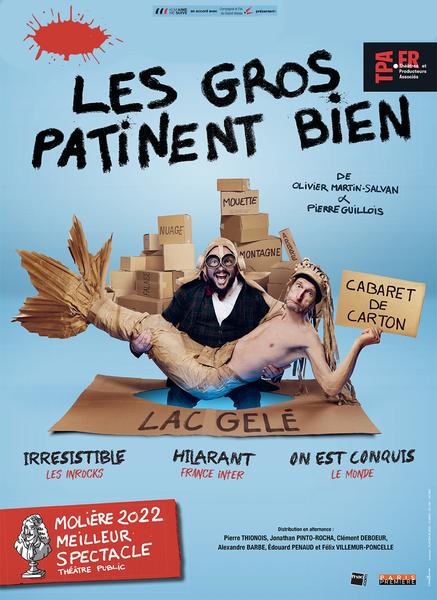
Filmed Theatre: The Big Slapstick Show
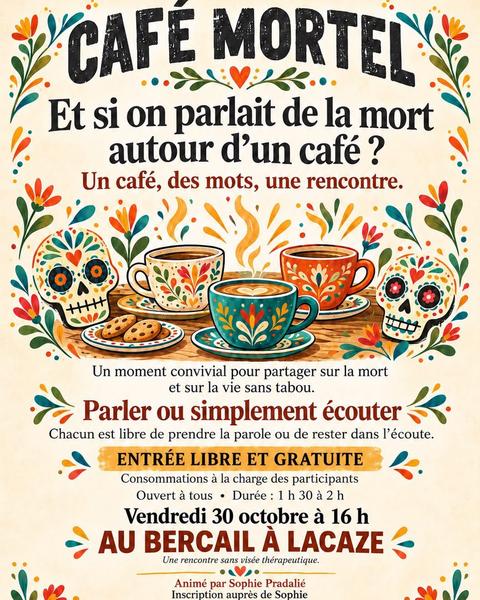
Death Café
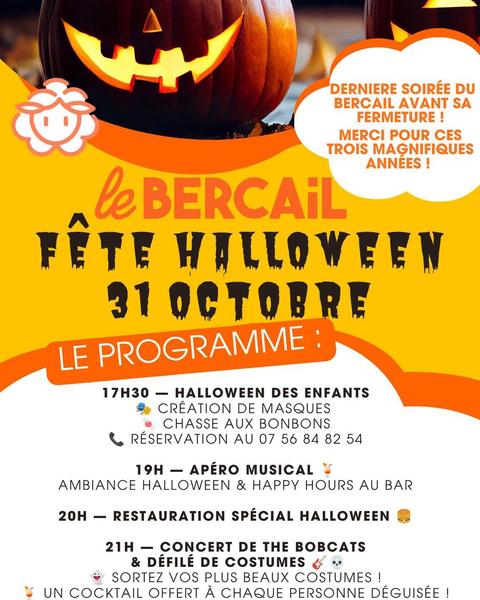
Le Bercail celebrates Halloween

Filmed Theatre: My Lucky Day
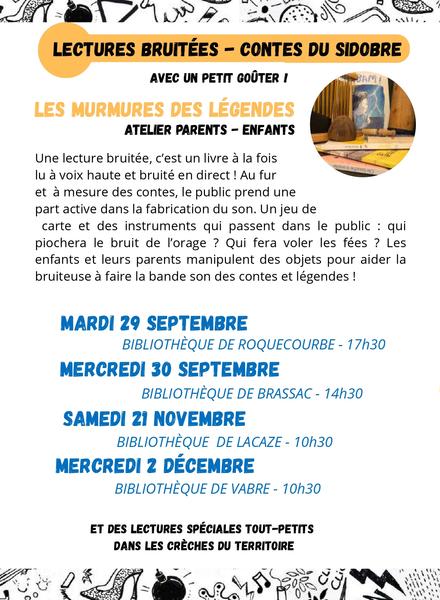
Storytelling with sound effects – tales from the Sidobre in Lacaze
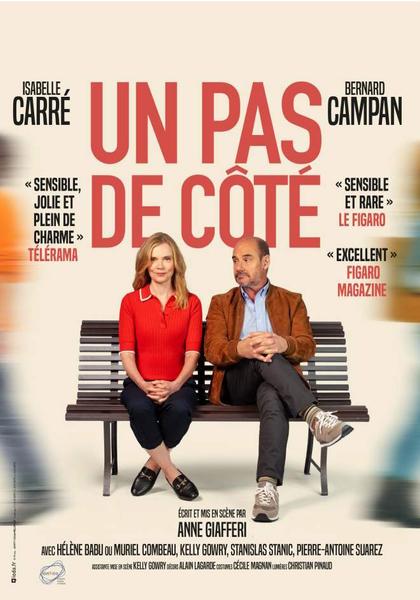
Filmed Theatre: A Step Aside

Clap théâtre : pièce mystère


